

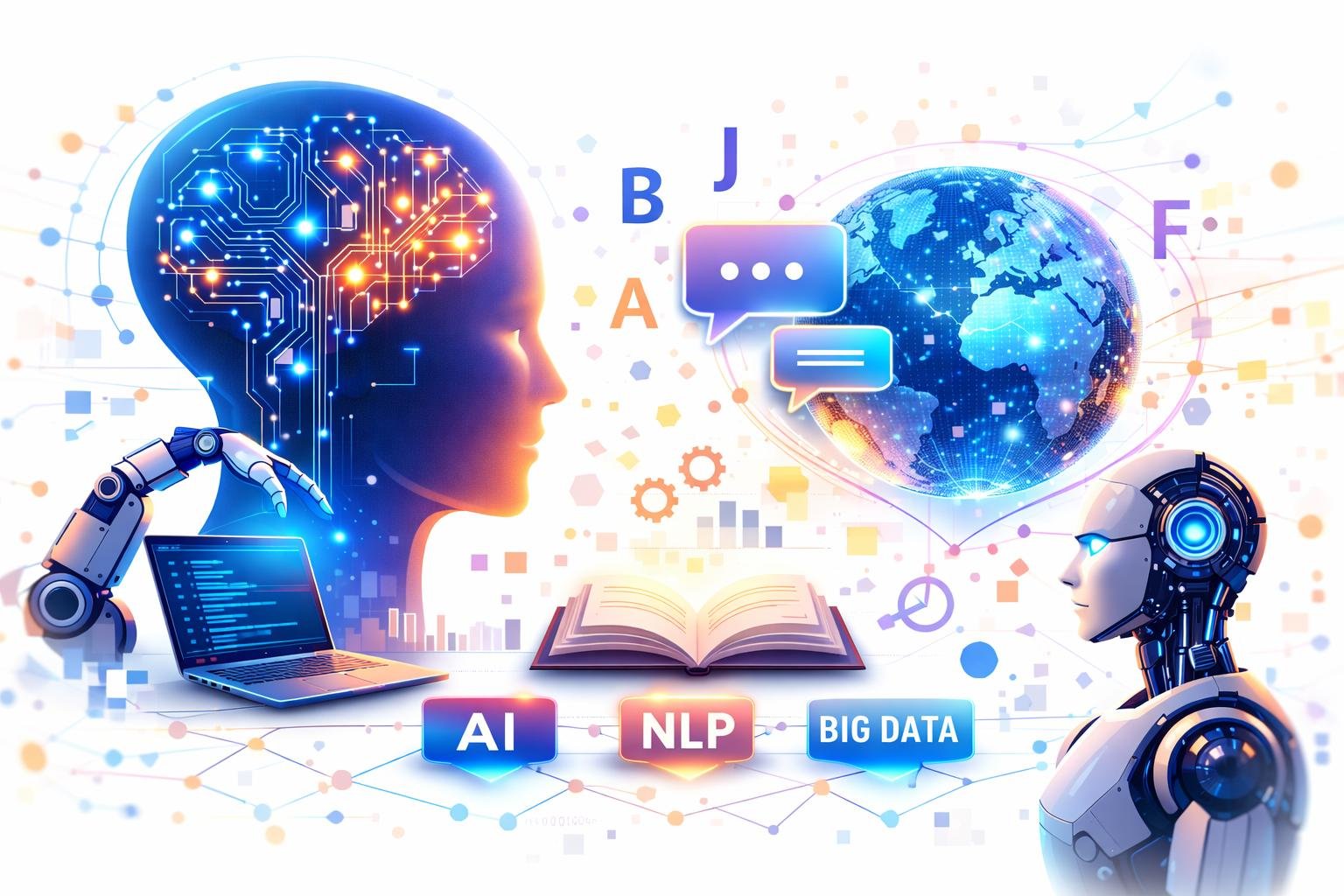
The integration of artificial intelligence into various sectors is profoundly altering the labor market landscape. From manufacturing to healthcare, organizations are increasingly adopting AI technologies to enhance efficiency, streamline operations, and reduce costs. This transformational wave is influencing employment patterns, leading to both opportunities and challenges for workers and employers.
One significant trend is the automation of routine tasks, which is prevalent in industries such as manufacturing, logistics, and customer service. For instance, the use of robotic process automation in manufacturing has enabled companies to achieve unprecedented levels of productivity while minimizing labor costs. According to recent labor statistics, sectors like retail and transportation are anticipated to experience substantial job displacement due to these technological advancements. Conversely, new roles are emerging that focus on AI oversight, data analysis, and machine learning, necessitating a shift in skills among the workforce.
Case studies from companies such as Amazon reveal how AI is reshaping job functions. By employing AI for inventory management and delivery logistics, Amazon is not only optimizing its supply chain but also redefining job scopes for employees involved in those processes. Similarly, in healthcare, AI applications such as predictive analytics are streamlining patient management, allowing healthcare professionals to allocate their time more effectively.
Moreover, the implications of AI transformation extend to workforce dynamics. Employers are increasingly prioritizing the reskilling and upskilling of their staff to align with the evolving technological landscape. As a result, collaborative efforts between educational institutions and businesses are gaining traction, facilitating a smoother transition for workers affected by these changes.
The rapid advancement of artificial intelligence (AI) presents a dual narrative within the workforce sphere: while certain jobs face the imminent threat of automation, new opportunities are simultaneously emerging. Jobs characterized by routine tasks, particularly those that involve manual labor, are at a heightened risk of being automated. For instance, roles in manufacturing, data entry, and basic customer service are identifiable as those most vulnerable to AI-driven efficiencies. Studies indicate that approximately 47% of U.S. jobs are at risk of being automated in the next few decades, compelling businesses and employees alike to recalibrate their strategies concerning employment.
In stark contrast, the emergence of new jobs fueled by AI advancements indicates that the workforce landscape is evolving rather than diminishing. As traditional roles are automated, new positions are being created in fields such as data analysis, AI ethics, and machine learning specialization. The Bureau of Labor Statistics anticipates that occupations in computer and information technology will grow significantly, with job openings projected in areas like AI programming, data science, and cybersecurity. These roles not only require technical skills but also emphasize the importance of creativity, critical thinking, and emotional intelligence—traits that machines cannot easily replicate.
This juxtaposition between jobs at risk of automation and those being created illustrates the necessity for workforce adaptability. Employees will need to engage in continuous learning to acquire new skills that align with the demands of an evolving job market. Educational institutions and employers must collaborate to facilitate upskilling and reskilling initiatives, ensuring that the workforce remains relevant. Embrace of lifelong learning and flexibility will be imperative to navigate this transformative period effectively.
The concept of human-AI collaboration is increasingly gaining traction as companies explore the ways that artificial intelligence can be integrated into their existing workflows. Rather than perceiving AI as a direct replacement for human workers, organizations are beginning to recognize its potential to complement human skills and enhance productivity. This perspective not only facilitates smoother transitions during the adoption of new technologies but also promotes a healthier workplace environment.
A notable case study highlighting effective human-AI collaboration is that of a major healthcare provider that implemented AI tools to assist in diagnosing medical conditions. The AI system analyzed patient data more swiftly and accurately than traditional methods, allowing physicians to focus their expertise on developing personalized treatment plans rather than sifting through vast amounts of information. In this scenario, AI acted as a supportive adjunct to the medical staff, leading to improved patient outcomes and higher job satisfaction among healthcare professionals.
Furthermore, in sectors such as manufacturing and logistics, AI has been successfully integrated into the supply chain management processes. For example, companies that utilize AI to predict inventory needs can provide real-time data analytics that employees can use to make informed decisions. As a result, the workforce feels empowered, knowing they possess the tools necessary to enhance efficiency and reduce errors.
Beyond operational benefits, the integration of AI into workplace processes has significant implications for company culture. Organizations that encourage human-AI partnerships foster environments characterized by continuous learning and innovation. Employees are more likely to embrace lifelong learning initiatives, viewing AI tools as resources that elevate their skills rather than diminish their roles. As this synergy develops, companies can expect to see a surge in employee satisfaction, morale, and overall efficiency.
As the integration of artificial intelligence (AI) into various sectors continues to reshape the workplace, it is crucial for both employees and organizations to recognize the essential skills required to thrive in this new environment. The rapid pace of technological advancement necessitates a dual focus on both technical and soft skills.
On the technical side, familiarity with AI technologies is becoming indispensable. Knowledge of machine learning, data analysis, and programming languages such as Python or R can significantly enhance a worker’s ability to collaborate with AI systems. Additionally, understanding how to interpret and utilize data effectively is vital. As workplaces become increasingly data-driven, professionals who can leverage insights extracted from data will be at a distinct advantage.
In conjunction with these technical competencies, soft skills are equally important in the AI era. Skills such as critical thinking, adaptability, and emotional intelligence will be essential as they enable workers to navigate complex interpersonal dynamics and evolve with changing job roles. Effective communication will also be paramount, as articulating ideas to both technical and non-technical audiences becomes essential in collaborative environments that include AI specialists and business leaders.
Organizations should prioritize investment in ongoing training and development programs that emphasize both technical and soft skills. Upskilling employees to work alongside AI tools not only enhances their capabilities but also ensures the organization remains competitive in a rapidly changing job market. Workers and employers alike must cultivate a culture of continuous learning and adaptability, enabling them to respond to the demands of an AI-driven landscape.





It’s interesting how AI is impacting so many sectors, as the article mentions with manufacturing and healthcare. I found a related discussion on https://tinyfun.io/game/super-hero-merge about how skills might need to adapt in this changing landscape.
شكرا على الاضافة